The Reasons Behind the Vibrant Resurgence of Wood Interiors in Contemporary Houses
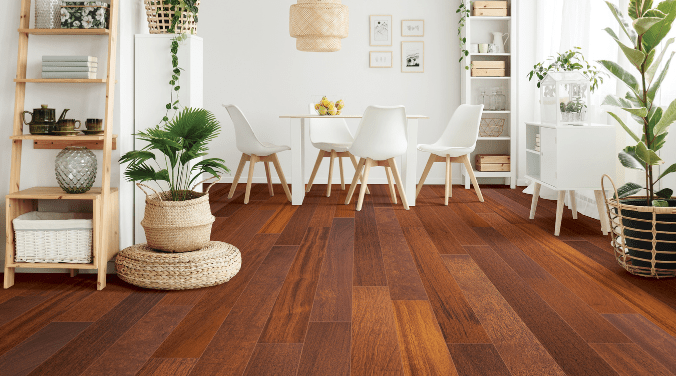
Wood has always been a mainstay of interior design, representing coziness, customs, and the beauty of nature. However, wood’s popularity has decreased recently due to the move toward industrial and minimalist forms. Wood interiors are making a daring resurgence in contemporary homes, while that tendency is currently reversing.
Natural materials’ allure
The increasing demand for natural, organic materials is one of the main causes of the resurgence of Solid Wood Flooring (พื้น ไม้ จริง, term in Thai). Wood is the ideal medium for homeowners looking to bring the outside in more and more. Its earthy hues and organic textures evoke a feeling of coziness and peace that is frequently absent from synthetic materials.
Eco-consciousness and sustainability
The trend toward eco-friendly living has also been crucial to the revival of wood. Wood is biodegradable, renewable, and has a smaller carbon footprint than synthetic products. Wood may be an environmentally beneficial option for interior design when it is sourced ethically from managed forests.
Flexibility in design
The remarkable adaptability of wood is another element contributing to its resurgence. Every type of wood—oak, walnut, pine, or bamboo—brings a unique personality and texture to a room. The range of wood tones, from light woods with Scandinavian influences to deep, rich mahogany, offers countless design options.
Improving coziness and warmth
Open, airy areas with minimalist design are frequently highlighted in modern homes. This look might be crisp and modern, but it can also come across as impersonal or icy. Wood interiors offer a natural counterpoint, adding softness and warmth to even the most austere settings.
Features of statement wood
Wood is showing up in unexpected places besides floors and furniture. Wood is being used to add visual impact and textural interest to accent walls, ceiling beams, and even complete bathrooms. For example, contemporary wood paneling can be set up in geometric designs or, for a more rustic appearance, left in its unfinished, natural condition.
Wood’s timelessness
Wood is still a timeless option for interior design, even when trends change. Its longevity guarantees that both its appearance and usefulness will last throughout time. Wood has a timeless character that can adjust to shifting design trends, unlike trendy materials that could rapidly go out of style.
Wood in business environments
In addition to being popular in homes, wood is also making a big comeback in commercial settings. In contrast to the frequently lifeless appearance of contemporary design, wooden features are being used in offices, restaurants, and retail establishments to create cozy, welcoming spaces. These areas are given character and authenticity by the use of wood-paneled walls, reclaimed wood counters, and wooden seats.
Technology’s place in wood design
Wood design now has more options thanks to modern technology. The durability and moisture resistance of wood are improved by advanced wood treatment techniques like thermal modification. Additionally, designers can now construct previously unthinkable complicated wood patterns and shapes thanks to machining and laser cutting.
Wood’s cultural and emotional effects
Wood has cultural and emotional importance in addition to being a design option. Wood is connected to comfort, warmth, and a sense of nature in many cultures. It is a popular option for areas meant to encourage relaxation, such as living rooms, bedrooms, and spas, because of its organic, tactile feel, which may induce a sense of peace and grounding.
Wood’s comeback in contemporary design makes perfect sense as homeowners look to create more hospitable, natural-inspired spaces. It is the perfect option for people wishing to add coziness and personality to modern environments because of its durability, adaptability, and timeless beauty. Wood’s renaissance is demonstrating that some design aspects are always in style, whether it is through elegant wooden cabinetry, rustic beams, or salvaged wood furniture.