Questions to Ask Before Choosing New Flooring for Your Home
Choosing new flooring is a big decision. It affects how your home looks, how it feels to walk through each room, how much maintenance you will deal with, and how well your space holds up over time. With so many materials, finishes, and styles available, it is easy to focus only on appearance. But the best flooring choice usually comes from asking the right questions before any installation begins.
If you are comparing flooring options for homes, these 10 questions can help you narrow down the best fit for your space, lifestyle, and budget.
1. Which rooms are getting new flooring?
Not every flooring material works equally well in every part of the home. A bedroom has very different needs than a bathroom, kitchen, or entryway. Some rooms benefit from warmth and softness, while others need better moisture resistance or easier cleanup.
Before choosing a product, think room by room. The best flooring plan often depends on where the material will be installed and how that space is used every day.
2. How much foot traffic does the area get?
A formal sitting room and a busy hallway do not experience the same level of wear. If the area gets constant foot traffic from family members, guests, kids, or pets, durability should be a major priority.
High-traffic spaces usually need flooring that resists scratches, dents, and visible wear. In lower-traffic rooms, you may be able to put more emphasis on comfort or design instead of performance alone.
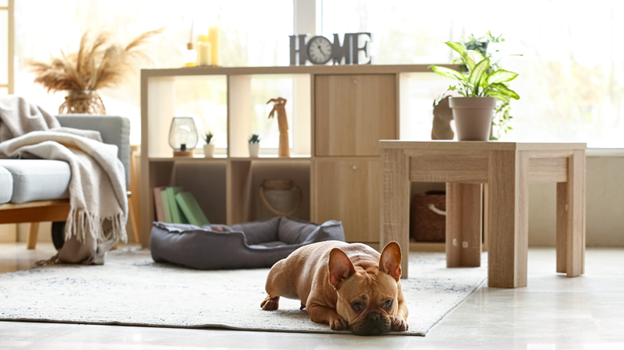
3. Do I need flooring that can handle pets or children?
Homes with pets and children often need flooring that can keep up with spills, muddy paws, dropped toys, and everyday messes. Some materials are more forgiving than others when it comes to scratches, stains, and moisture.
This question is especially important if you want your floors to look good without constant worry. A beautiful floor is great, but it also needs to support real life.
4. How much maintenance am I willing to handle?
Some flooring materials are easy to clean and maintain, while others may need more careful upkeep. Before making a decision, it helps to be honest about how much time and effort you want to invest.
Do you want something low-maintenance that only needs routine sweeping and occasional mopping? Or are you comfortable with a material that may need more specialized care? Choosing flooring that matches your maintenance preferences can save frustration later.
5. Is moisture a concern in this space?
Moisture matters more than many homeowners realize. Bathrooms, kitchens, laundry rooms, and even some entryways can be exposed to spills, humidity, or wet shoes on a regular basis. In those areas, water resistance becomes a key factor.
If moisture is likely, it is smart to choose a flooring material designed to perform well in those conditions. Ignoring this question can lead to damage, warping, or faster wear over time.
6. What level of comfort do I want underfoot?
Flooring does not just change how a room looks. It changes how it feels to live in. Some materials feel softer, warmer, or quieter underfoot, while others feel firmer or cooler.
Think about how you use the room. Do you walk barefoot there often? Do children play on the floor? Will you stand in that area for long periods while cooking or working? Comfort should be part of the decision, especially in spaces where people spend the most time.
7. What style fits the overall look of my home?
Flooring has a major impact on the visual flow of a home. The right choice can make a room feel larger, warmer, brighter, or more modern. The wrong one can feel disconnected from the rest of the space.
Before selecting a color or material, think about the overall design of your home. Are you aiming for a classic, modern, rustic, clean, or relaxed look? Your flooring should support that style and blend naturally with your cabinetry, furniture, wall color, and finishes.
8. What is my budget beyond the material itself?
Many homeowners start by comparing flooring prices, but the material is only part of the full cost. Installation, removal of old flooring, surface preparation, trim work, and other project details can also affect the final budget.
It is important to ask what the total investment will look like, not just the price per square foot. That gives you a more realistic picture and helps avoid surprises during the project.
9. How long do I want this flooring to last?
Some homeowners are looking for a long-term flooring investment, while others are making a more budget-conscious update for the near future. Knowing your timeline can help guide the right choice.
If you want something that will serve your home for many years, durability and long-term value may matter more than the lowest upfront cost. If this is a shorter-term update, you may prioritize appearance and affordability instead.
10. Will this flooring choice fit my daily lifestyle?
This may be the most important question of all. A floor can look amazing in a showroom or online photo, but that does not always mean it is right for your home. Your flooring should fit the way you actually live.
Think about your routines, your household, your cleaning habits, and the level of activity in your home. The best flooring choice is one that supports your everyday life while still delivering the style you want.
Choosing new flooring becomes much easier when you focus on the right questions first. Instead of getting overwhelmed by samples and trends, you can evaluate each option based on how it performs in your actual home. By thinking through traffic, comfort, moisture, upkeep, budget, and style, homeowners can make a decision that feels practical today and still looks good for years to come.