7-Foot and 8-Foot Slate Pool Tables: A Complete Guide to Choosing the Right Size for Your Home
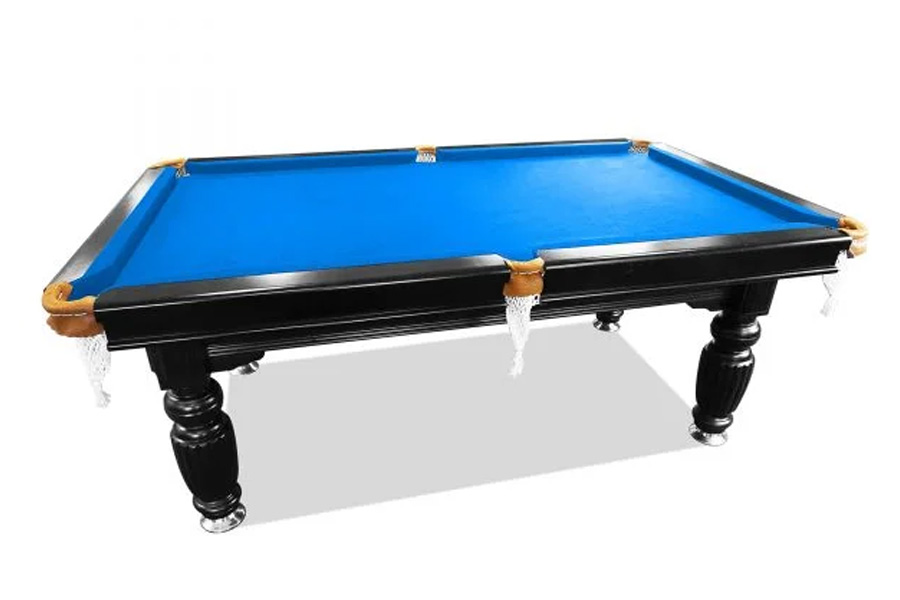
A pool table can transform an ordinary spare room into an inviting entertainment space. Whether it is intended for family games, friendly competitions or a dedicated games room, choosing the right table size is one of the most important decisions a homeowner will make.
Seven-foot and eight-foot pool tables are popular choices for residential settings because they offer a substantial playing experience without necessarily requiring the space of a larger commercial table. However, the difference between these sizes involves more than the length of the table. Room dimensions, cue clearance, playing preferences and construction should all be considered before making a decision.
Understanding the Difference Between 7-Foot and 8-Foot Pool Tables
The size of a pool table influences the overall playing experience and the amount of space needed around it.
A 7-foot table is often well suited to residential games rooms where available floor space needs to be used efficiently. It can provide an enjoyable playing experience for families and casual players while leaving more room for seating, storage and other furniture.
An 8-foot table offers a larger playing area and may appeal to households that have more generous room dimensions or prefer a more spacious playing surface. It can also create a strong visual centrepiece in a dedicated entertainment room.
Neither size is automatically the better choice. The right decision depends on the available space, intended use and the experience the household wants from the table.
It is also important to check the manufacturer’s stated dimensions. The advertised table size may refer to the playing surface rather than the complete external dimensions, so buyers should confirm both measurements before ordering.
How Do Playing Style and Experience Influence Table Size?
The size of a pool table can influence how players approach the game. Although both 7-foot and 8-foot tables can provide an enjoyable experience, the available playing area may affect shot selection, positioning and the overall feel of a game.
For households where several family members will use the table, a 7-foot model can be a practical choice. Its more compact playing area may make it easier for beginners and occasional players to become comfortable with the game. It can also be a suitable choice when the games room needs to accommodate other recreational activities.
An 8-foot table provides a larger playing area and may appeal to players who enjoy a more spacious layout. Those who regularly play pool or have previous experience with larger tables may prefer the additional playing area.
It is worth considering who will use the table most frequently. A household purchasing a table primarily for casual family entertainment may have different priorities from someone creating a dedicated billiards room.
The best size is therefore not necessarily the largest one that will fit. It is the size that suits the room, the people using it and the type of playing experience they want.
How Much Room Do You Need for a Pool Table?
One of the most common mistakes when purchasing a pool table is measuring only the space occupied by the table itself.
Players need sufficient clearance around every side to use their cues comfortably. If the table is positioned too close to a wall, cupboard or large piece of furniture, taking shots from certain positions may become difficult.
A useful way to estimate the required playing area is to start with the table’s external dimensions and allow additional space around all sides for cue movement.
The appropriate clearance depends on the length of cue being used. A full-length cue requires more room than a shorter cue, so the intended playing equipment should be considered during planning.
Before purchasing, measure:
– The proposed table location.
– The available distance between the table and surrounding walls.
– The position of doors, windows and built-in cupboards.
– Any nearby furniture that could restrict movement.
– The access route required to bring the table into the room.
Marking the proposed table footprint on the floor can also help homeowners visualise how the finished room will feel.
Understanding Cue Clearance and Room Dimensions
When planning a pool table installation, allowing sufficient cue clearance is just as important as checking the table’s external dimensions. A table may physically fit inside a room, but without adequate space around the playing surface, players may struggle to take certain shots comfortably.
As a general guide, the required playing area can be calculated by adding twice the intended cue length to both the table’s external length and width. A standard full-length pool cue is approximately 57 inches (145 cm), meaning around 145 cm of additional clearance should be allowed beyond each playing rail. This provides a useful starting point when assessing whether a room is suitable for a particular table.
For example, if a pool table has external dimensions of 240 cm in length and 130 cm in width, allowing approximately 145 cm of clearance on each side would result in an estimated playing area of 530 cm by 420 cm. Actual requirements will depend on the table’s dimensions, the cues being used and the layout of the room.
It is also important to consider potential obstructions. Walls, doorways, built-in cupboards, windows, support columns and nearby furniture can all affect how easily players can move around the table and position themselves for different shots. Corners and areas close to walls deserve particular attention, as these can restrict cue movement even when the overall room dimensions appear sufficient.
In rooms where full-length cues cannot be used comfortably from every position, shorter cues may help accommodate certain restricted shots. However, they should be viewed as a practical compromise rather than a substitute for adequate playing clearance.
Before purchasing, consider drawing a simple floor plan that includes the table’s complete external dimensions, the required cue clearance and any surrounding furniture. Measuring the available space carefully and comparing it with the specifications of the individual model can help homeowners choose a table that fits the room without unnecessarily compromising the playing experience.
Why Consider a Slate Playing Surface?
The playing surface is another important factor when comparing pool tables.
Slate is a natural stone commonly used in quality billiard tables because it provides a firm, stable foundation beneath the playing cloth. Its substantial construction makes it a popular consideration among buyers looking for a more traditional pool table.
For buyers comparing different styles and sizes, exploring a dedicated range of slate pool tables can help provide a clearer understanding of the models and specifications available.
However, the quality of the complete table matters. The slate should be considered alongside the supporting frame, leg construction, cushion system and overall assembly.
When comparing slate pool tables, buyers should look beyond photographs and check the specifications of the individual model. Slate thickness, whether the slate is supplied in one or multiple sections, and the way it is supported can vary between designs.
A well-considered purchase involves understanding how all these components work together rather than judging the table on its playing surface alone.
What Should You Look for in the Frame and Cushions?
A pool table’s frame provides the structure that supports its weight and helps maintain stability.
The materials used, construction methods and supporting design are all worth reviewing. A substantial playing surface needs an appropriate supporting structure, particularly when the table is intended for regular use.
Cushions are equally important because they influence how balls rebound from the table’s rails. Buyers should consider the cushion system and any specifications provided by the retailer or supplier.
It is also worth checking the cloth, pocket construction and available playing accessories. These details contribute to the complete ownership experience.
What Is the Difference Between Slate Thickness and Slate Configuration?
Not all slate pool tables are constructed in exactly the same way. The slate itself can differ in thickness and configuration, making it important to review the specifications of the particular model being considered.
Some tables use a single-piece slate playing surface, while others use multiple slate sections. The configuration can influence transportation, installation and the assembly process.
Slate thickness is another specification worth checking. Buyers should not assume that every table described as a slate pool table uses the same thickness or construction.
It is also important to understand how the slate is supported by the table’s frame. The playing surface, supporting structure and installation process all contribute to the finished table.
When comparing different models, ask for clear specifications covering the slate thickness, number of slate sections and supporting construction. This provides a more useful basis for comparison than relying on product descriptions or photographs alone.
Choosing a Table That Complements Your Home
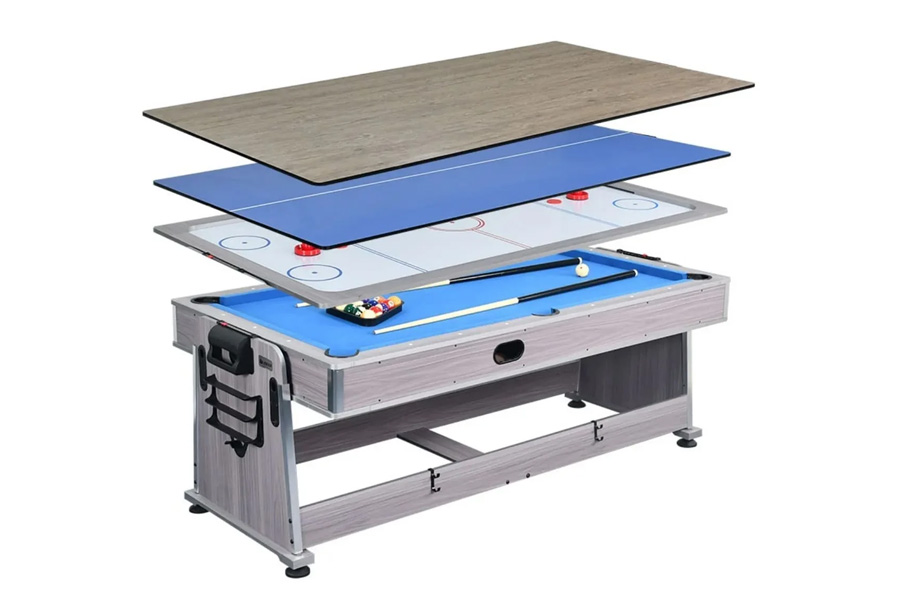
A pool table is often one of the largest pieces of furniture in a games room, so its appearance deserves attention.
Consider the existing interior design, flooring, wall colours and furniture when comparing finishes. A traditional timber appearance may complement a classic games room, while a more contemporary finish could suit a modern entertainment area.
Lighting is another consideration. Suitable lighting positioned above the playing surface can improve visibility and create a more comfortable playing environment.
If the room serves multiple purposes, think about how the table will fit alongside other activities. Seating, storage and walking paths should remain practical after installation.
Delivery, Access and Professional Installation
Pool tables, particularly slate models, can be heavy and difficult to manoeuvre. Delivery access should therefore be checked before an order is placed.
Measure doorways, hallways, staircases and any tight turns along the route to the intended room. If the property has restricted access, it is sensible to raise this before arranging delivery.
Professional installation is worth considering because correct assembly and levelling are important to the finished table. Buyers should also confirm whether installation is included in the purchase or arranged separately.
The installation requirements can vary according to the model, slate configuration and delivery arrangements.
What Should You Check Before Ordering a Slate Pool Table?
A little preparation before purchasing can make the delivery and installation process considerably smoother.
Because slate pool tables can be substantial in both weight and size, buyers should confirm more than simply whether the table will fit inside the games room.
The following considerations are worth reviewing before placing an order:
– External table dimensions:
Confirm the complete assembled dimensions rather than relying solely on the advertised playing size.
– Room clearance:
Check that players will have sufficient room to use their cues around the table.
– Total weight:
Ask for the approximate weight of the complete table and consider whether the intended floor location is suitable.
– Access restrictions:
Check door widths, hallways, staircases, lifts and other potential obstacles.
– Slate configuration:
Confirm whether the playing surface is supplied in one piece or multiple sections.
– Installation arrangements:
Establish whether professional assembly and levelling are included or need to be arranged separately.
– Delivery conditions:
Confirm the delivery arrangements, access requirements and any additional services that may be necessary.
These checks are particularly worthwhile when purchasing a larger table or installing it in a room with restricted access.
Taking the time to clarify these details beforehand can help reduce unexpected complications and make the overall purchasing experience more straightforward.
Frequently Asked Questions About 7-Foot and 8-Foot Slate Pool Tables
Is a 7-foot or 8-foot pool table better for a home?
Both sizes can work well in residential settings. A 7-foot table may be more suitable for a compact games room, while an 8-foot table can be appealing where more playing space is available. Room dimensions and intended use should guide the decision.
Are slate pool tables suitable for residential games rooms?
Yes. Slate pool tables are commonly considered for residential games rooms by buyers who want a traditional billiards playing surface. However, their weight, installation requirements and overall dimensions should be considered before purchasing.
How do I know whether an 8-foot pool table will fit?
Start by checking the table’s complete external dimensions and allowing sufficient cue clearance around every side. Also consider doors, cupboards, furniture and other obstacles that could interfere with playing.
What should I look for when comparing slate pool tables?
Look beyond the advertised table size. Consider slate thickness, slate configuration, frame construction, cushion system, cloth, pockets and installation requirements. Comparing the specifications of individual models is the best way to understand the differences.
Does a slate pool table need professional installation?
Professional installation is strongly worth considering, particularly for larger slate models. Correct assembly and levelling are important, and the installation requirements will depend on the particular table design.
Can a pool table be installed in a room with limited space?
It may be possible, but restricted space can affect the playing experience. Shorter cues may help in certain situations, although they do not replace adequate clearance. Measuring the room and considering the intended cue length before purchasing is advisable.
Making the Right Decision
Choosing between a 7-foot and 8-foot pool table is ultimately about finding the right balance between playing space, room dimensions and personal preferences.
A smaller table may suit a compact games room, while a larger model can be an excellent fit where additional space is available. Understanding the construction, measuring carefully, and checking delivery requirements can help prevent costly surprises.
Taking the time to compare these details before purchasing makes it easier to choose a pool table that complements the home and provides an enjoyable place for family and friends to spend time together.