Sliding Sash, Flush Casement or Heritage Aluminium: Choosing the Right Windows for Your Property’s Era
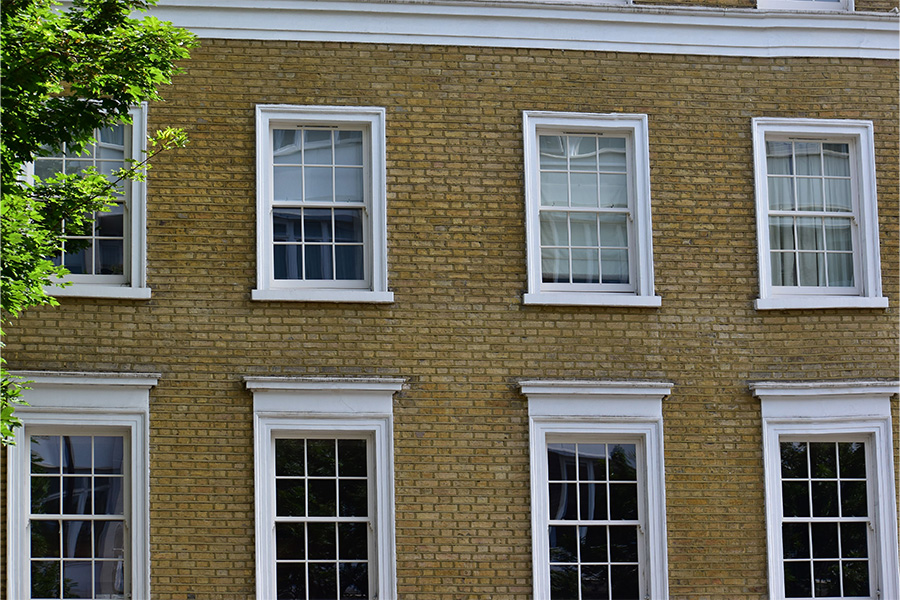
Walk down almost any street in Nottingham, Derby or Leicester and you will see centuries of architectural history side by side. Georgian townhouses, Victorian terraces, Edwardian semis, interwar villas and stone cottages each have their own distinctive look, and much of that identity comes down to their windows.
When the time comes to replace tired or failing glazing, one of the most important decisions is choosing a style that genuinely suits the age and character of the building. Get it right and the house looks complete. Get it wrong and even beautifully made windows can feel out of place. Here is a look at the main heritage window styles and the types of property they suit best.
Georgian Homes (1714 to 1837)
Georgian architecture is all about symmetry, order and proportion. Windows on these homes are typically tall sliding sashes, often arranged in a six over six pane pattern, with fine glazing bars dividing the glass into small, evenly sized panes. Upper floor windows were frequently shorter than those on the principal floors, creating a carefully balanced façade.
For a Georgian property, a traditional sliding sash is almost always the right choice. The key details to get right include slim glazing bars, correctly proportioned panes and the classic vertical sliding operation. Even small deviations, such as thicker bars or the wrong number of panes, can be surprisingly noticeable on such a precise frontage.
Victorian Homes (1837 to 1901)
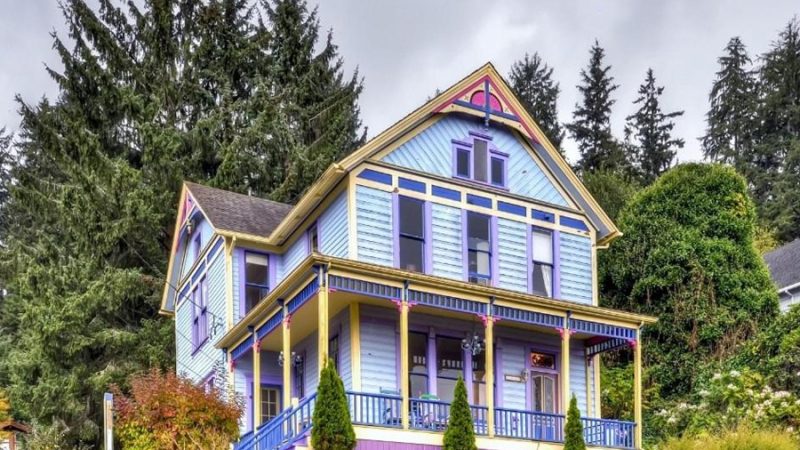
As glass manufacturing improved during the Victorian era, larger panes became affordable. Windows evolved from the many paned Georgian look to simpler arrangements such as two over two or one over one sashes. To strengthen these larger sashes, makers added small decorative projections known as horns to the frames, a detail that has become a hallmark of the period.
Victorian homes also brought bay windows into widespread use, giving terraces and villas their familiar projecting fronts. Replacement sashes for these properties should reflect the larger glass areas, include horns where appropriate and suit the curves or angles of any bays.
Edwardian Homes (1901 to 1910)
Edwardian houses tend to feel lighter and brighter than their Victorian predecessors. Sash windows remained common, but designs often featured a smaller, decorative upper sash above a single large pane below, sometimes with leaded or coloured glass. Casement windows also grew in popularity, particularly on homes influenced by the Arts and Crafts movement.
For Edwardian properties, the right choice depends on the original design. Some suit sliding sashes with decorative upper panes, while others are better matched with traditional style casements.
Cottages and Farmhouses
Rural homes across the Derbyshire Dales, the Leicestershire countryside and the villages of Nottinghamshire often have a simpler, more vernacular style. Many were originally fitted with timber casement windows, opening outwards on side hinges, sometimes with small panes divided by glazing bars.
This is where flush casement windows come into their own. Unlike standard modern casements, where the opening section sits proud of the frame, flush casements sit neatly within it, just as traditional timber casements did. The result is a clean, authentic appearance that suits cottages, farmhouses and barn conversions beautifully.
Interwar and 1930s Homes
Many homes built between the wars, along with some industrial and Art Deco influenced buildings, were originally fitted with slim steel framed windows. These are instantly recognisable by their thin frames, small panes and elegant linear look. Sadly, original steel windows are often poorly insulated and prone to corrosion, and many were replaced with heavy modern alternatives that completely changed the character of the houses.
Aluminium heritage windows offer an excellent solution. They recreate the slim sightlines of traditional steel glazing while providing the strength, energy efficiency and low maintenance benefits of modern aluminium. The same style works brilliantly for doors too, with heritage aluminium designs bringing that refined steel look to entrances, garden doors and internal partitions.
Modern Homes with Traditional Ambitions
Heritage styles are not only for older buildings. Plenty of newer homes are designed to sit comfortably among period neighbours, and many owners simply love the timeless look of sashes or slim framed glazing. Sliding sashes, flush casements and aluminium heritage designs can all add character and kerb appeal to contemporary properties.
Listed Buildings and Conservation Areas
If your home is listed or in a conservation area, style is not just a matter of taste. Listed building consent is required for changes that affect a listed property’s character, and conservation officers will look closely at proportions, glazing patterns, materials and opening methods. Permitted development rights can also be restricted in conservation areas.
Matching the original style as closely as possible is usually the best route to approval. A specialist with heritage experience can help prepare drawings and work alongside architects and planners to keep the process on track.
Finding the Right Specialist
Choosing the right style is only half the job. The windows also need to be made and fitted by people who understand the details that matter on period properties.
For homeowners in the East Midlands, Nottingham Sash Windows is a specialist worth knowing about. The family run business was founded by Mary Pidcock, whose passion for heritage homes began while renovating her own Georgian farmhouse in Derbyshire. Frustrated by how hard it was to find well designed windows with dependable aftercare, she set up the company to offer exactly that. Its range covers sliding sash windows, flush casements, aluminium heritage windows and a selection of heritage doors, serving homes across Nottinghamshire, Derbyshire and Leicestershire, including many listed properties.
When comparing suppliers, ask to see completed projects on homes similar to yours, check the guarantees on offer and make sure aftercare is included. A good specialist will also be happy to talk through which style best suits your property rather than steering you towards a single product.
Respecting the Past, Building for the Future
The windows on a period property are much more than a practical necessity. They carry the story of when the house was built and the tastes of the people who built it. Choosing a style that reflects that history, while benefiting from modern levels of comfort, security and efficiency, is one of the best investments an owner can make.
Whether you live in a Georgian townhouse, a Victorian terrace or a countryside cottage, taking the time to understand your home’s era will help you make the right choice. Speak to a heritage specialist such as Nottingham Sash Windows, and you can give your property windows that look as though they have always belonged there.