Which Office Areas Need More Frequent Cleaning?
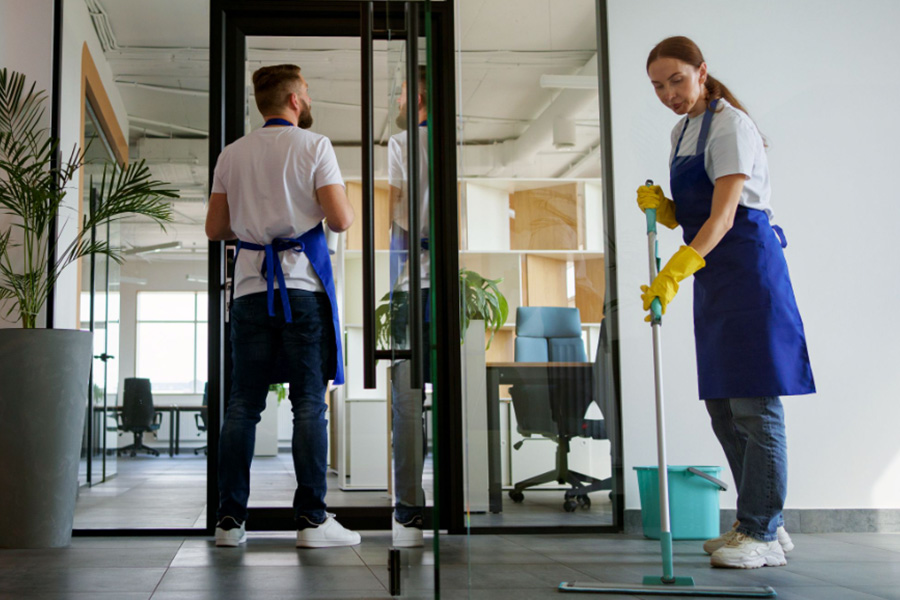
Not every part of an office is used in the same way. Areas with heavier foot traffic, frequent hand contact, food preparation or shared facilities generally require more cleaning attention than spaces that are used less often.
A suitable cleaning frequency depends on factors such as occupancy, how a space is used, the types of surfaces present and workplace-specific hygiene requirements. Businesses using office cleaning services can therefore benefit from cleaning schedules that distinguish between high-use and low-use areas rather than treating the entire workplace identically.
Office Entrances and Reception Areas
Entrances and reception areas experience regular movement as employees, visitors and delivery personnel enter and leave the workplace. Dirt, dust and moisture can also be tracked indoors on footwear, making flooring an important cleaning priority.
Common areas requiring attention include:
- Entrance doors and handles
- Reception counters
- Visitor seating
- Hard floors and carpets
- Glass doors and partitions
- Touchscreens or visitor sign-in equipment
Cleaning requirements can increase during periods of heavy rain or high visitor traffic because more dirt and moisture may enter the building. Floors may need particular attention to maintain cleanliness and reduce slip hazards associated with wet or contaminated surfaces.
As the main access point to many workplaces, entrances typically require regular monitoring throughout the working day.
Office Washrooms
Washrooms are shared facilities where frequent cleaning is important for hygiene and general upkeep. Their cleaning frequency should reflect the number of employees and visitors using them throughout the day.
Frequently handled or used areas include:
- Toilet seats and flush controls
- Taps and sinks
- Door handles and locks
- Soap dispensers
- Hand dryers
- Worktops and other surrounding surfaces
- Floors
Consumables such as soap, toilet paper and hand-drying supplies should also be checked and replenished as necessary. Waste bins need emptying before they become overfilled.
For busy workplaces, washrooms may require checks and cleaning at several points during operating hours rather than only once each day. Their combination of shared facilities and high-touch surfaces makes them one of the areas requiring closer cleaning attention.
Office Kitchens and Pantries
Office kitchens and pantries combine food, shared appliances and frequently touched surfaces. Food crumbs, spills and waste can accumulate during meal and break periods, so cleaning requirements often correspond with how frequently employees use these spaces.
Particular attention may be given to:
- Worktops and tables
- Sinks and taps
- Refrigerator handles
- Microwave controls and handles
- Kettles and coffee machines
- Cupboard handles
- Floors
- Waste and recycling bins
Food spills should be addressed promptly rather than being left until the next scheduled clean. Regular waste removal can also help prevent odours and discourage pests.
Where professional commercial cleaning services are used, kitchen and pantry tasks can be incorporated into the wider workplace cleaning schedule according to actual usage. These spaces generally need more frequent attention than areas where food is not handled or consumed.
Shared Workstations and Hot-Desking Areas
Hot-desking means that the same workstation may be used by different employees at different times. This increases the number of people coming into contact with shared desks and equipment.
High-touch items can include:
- Desktops
- Chair armrests and adjustment controls
- Keyboards and mice
- Shared telephones
- Docking stations
- Monitor controls
Cleaning arrangements should also account for responsibilities between users and cleaning staff. Electronic equipment may require specific cleaning methods to avoid damaging components.
Shared workstations therefore require a different approach from individually assigned desks, particularly when several users occupy the same space over a short period.
Meeting and Conference Rooms
Meeting rooms can experience concentrated periods of use throughout the working day. Different groups may use the same tables, chairs and shared equipment in succession.
Cleaning priorities commonly include tables, chair arms, door handles, switches and shared presentation controls. Floors may also require more frequent cleaning in rooms that receive substantial foot traffic.
The appropriate frequency should reflect actual room usage. A conference room used continuously may need more attention than one booked only occasionally, making occupancy an important consideration when planning office cleaning services.
Breakout Areas and Staff Lounges
Breakout spaces and staff lounges are communal areas used for informal meetings, rest periods and social interaction. Depending on their design, they may also contain dining areas, shared furniture or beverage facilities.
Frequently used surfaces can include:
- Tables and worktops
- Sofas and chairs
- Door handles
- Shared appliances
- Light switches
- Waste bins
- Floors
Cleaning frequency should correspond with the number of people using the space and the activities taking place there. Areas where employees eat or drink may require additional attention to spills, crumbs and waste.
Overall, office cleaning priorities are best determined by use rather than room type alone. Entrances, washrooms, kitchens, shared desks, meeting rooms and communal areas often need greater attention because they combine higher occupancy, frequent surface contact or activities that create additional cleaning needs.
Visit Doctor Clean to keep your high-use office areas clean.