Smart home wiring standards guide for UK installations
In today’s rapidly evolving world, the integration of advanced technology into residential spaces has become increasingly essential. This guide aims to provide a comprehensive overview of the necessary steps for implementing effective wiring solutions in modern UK properties. With the insights shared by David Bell on September 29, 2025, readers will discover how contemporary technology can enhance convenience, energy efficiency, and overall property value.
Navigating the complexities of installation requires a solid understanding of automation protocols and device integration. By avoiding common pitfalls, individuals can ensure a seamless experience. Whether embarking on a complete automation setup or focusing on a single room, this guide equips readers with the knowledge needed for professional results.
Moreover, practical advice on planning, technology selection, and troubleshooting will empower homeowners to make informed decisions. By adhering to the highest safety standards, one can create a sophisticated ecosystem that enhances daily living.
Key Takeaways
- This guide offers a step-by-step approach for effective installation.
- Understanding automation protocols is crucial for successful integration.
- Practical advice on planning and troubleshooting is included.
- Safety standards are emphasised throughout the installation process.
- Readers will learn how to enhance convenience and energy efficiency.
Introduction to Smart Home Wiring Standards
With the rapid pace of technological advancements, effective electrical installations have become essential for residences. A smart home is characterised by its ability to control lighting, heating, and electronic devices remotely through smartphones or computers. This integration enhances convenience and promotes energy efficiency.
Philipp Schuster, MD of Loxone UK, emphasises that a smart home should operate in an autopilot mode, handling mundane tasks automatically. The UK market for these systems is thriving, valued at nearly £1 billion annually, reflecting a growing consumer interest.
Understanding the regulatory and safety expectations for these installations is crucial. These guidelines ensure that interconnected devices function within established electrical safety parameters. Additionally, effective energy management is a key aspect of modern design, significantly reducing both carbon footprints and utility costs.
By grasping the fundamental requirements for smart home installations, homeowners can dispel common misconceptions and embrace the benefits of new automation technologies.
UK Electrical Compliance and Safety Standards
Electrical safety is paramount in the modern age, especially with the rise of interconnected devices. Adhering to UK building regulations is essential for ensuring the safety and reliability of installations.
All electrical work must comply with the BS 7671 18th Edition standard. This compliance guarantees the highest levels of safety for occupants. Grants Electrical Solutions Ltd, based in Newton Abbot, delivers services that strictly follow these regulations.
Key points to remember include:
- Compliance with BS 7671 is crucial during house rewires or consumer unit upgrades.
- Professional electrical work requires rigorous adherence to safety protocols.
- Understanding critical standards helps avoid risks associated with non-compliant installations.
- Proper documentation and certification are mandatory under UK building regulations.
By following these guidelines, homeowners and contractors can maintain the integrity of their properties while ensuring safety.
Understanding Smart home wiring standards
As technology evolves, the importance of efficient electrical installations in residential areas has grown significantly. A compliant system requires specific components that ensure reliability and safety. These include gateway hubs, smart switches, and dependable power supplies for all connected devices.
Integrating these devices into existing setups necessitates careful attention to load compatibility and the presence of neutral wire connections. Unlike traditional switches, modern devices maintain continuous communication with central controllers. This not only enhances functionality but also adheres to safety standards while offering features like energy monitoring.
It is crucial to verify proper connections to ensure that switches and dimmers operate correctly without interfering with other systems. Each component must be rigorously tested to meet power requirements for stable operation. Additionally, secure connections are vital to prevent issues such as intermittent operation or complete disconnection from the network.
Planning and Designing Your Smart Home Installation
The foundation of any successful installation lies in meticulous planning and design. A well-thought-out approach is essential to address electrical capacity, device compatibility, and specific user requirements.
Recent research by Loxone revealed that 71% of homeowners would sacrifice another feature in their residence for the benefits of automation. This statistic highlights the growing demand for advanced installations.
Before starting, assess your current electrical infrastructure. This includes checking switch box depth, neutral wire availability, and overall circuit loading. These factors are crucial for ensuring a seamless installation.
Strategic placement of devices is vital for maintaining reliable network coverage. This ensures that all components communicate effectively with the central gateway hub.
Moreover, effective energy management planning during the design phase allows for the integration of sensors. These sensors can provide automatic activation, leading to significant energy savings.
Finally, consider future expansion. Planning for additional devices as your automation needs grow is a key requirement for long-term success.
Essential Tools and Testing for Wiring Installations
In the current landscape of technology, ensuring reliable electrical installations is crucial for modern residences. Professional-grade automation installations require the right tools and strict safety protocols to guarantee successful implementation and long-term reliability.
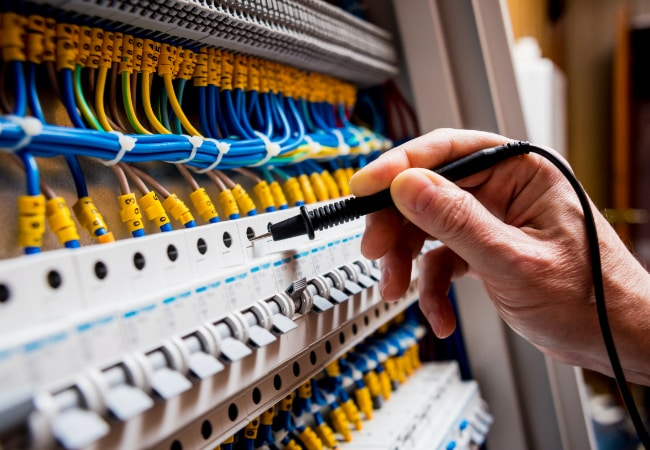
The complexity of electrical setups demands advanced testing equipment, unlike traditional installations. Essential tools include:
- A multimeter for verifying electrical integrity.
- Wire strippers for efficient cable preparation.
- A network scanner to assess wireless signal strength.
Before starting any electrical work, it is vital to confirm that power is fully disconnected at the circuit breaker. A non-contact voltage tester should be used to ensure safety.
Regular inspections of the electrical circuit are necessary. They help identify potential failure points and ensure the continued performance of the system. Electrical safety must remain the primary concern throughout any installation, especially as electronic components add complexity.
Integrating Smart Lighting and Control Systems
As innovation continues to transform living spaces, the significance of proper electrical setups cannot be overstated. The integration of lighting and control systems plays a crucial role in enhancing user experience and energy efficiency.
Wireless communication technologies, such as Zigbee, Z-Wave, Wi-Fi, and Matter, are vital for creating interconnected networks. These systems respond seamlessly to user commands, making daily life more convenient.
Wireless Communication Technologies Overview
Zigbee is particularly effective for battery-operated devices due to its low-power mesh networking capabilities. In contrast, Z-Wave excels in interoperability, allowing devices from various manufacturers to work together smoothly.
Smart Switch and Dimmer Configurations
Configuring smart switches and dimmers requires knowledge of both electrical principles and wireless networking. This ensures that lighting systems can be controlled effortlessly.
Moreover, the integration of these control systems allows for advanced features like dimming curves, energy monitoring, and automated scheduling. Each device must be set up to maintain reliable communication with the central hub, ensuring consistent performance across the entire lighting network.
Wireless technology also enables the creation of sophisticated lighting scenes, taking into account colour temperature and brightness levels, enhancing the ambience of any space.
Gateway Hubs and Network Configuration for Smart Homes
With the surge in interconnected devices, optimising network setups is now more important than ever for homes. Central gateway hubs act as the communication bridge between devices and internet connectivity, allowing for remote access and voice control.
Proper network configuration is essential. This involves establishing secure wireless connections between lighting control systems and the central hub, ensuring reliable communication. Additionally, connecting the hub to your router using an Ethernet cable enhances performance and helps prevent frustrating connectivity issues.
Secure device connectivity is crucial for effective data management. It protects the system from unauthorised access, maintaining user privacy. The hub also provides the processing power necessary for advanced automation rules, ensuring smooth operation across different protocols.
Consistent network performance is vital for responsiveness. This prevents delays in command execution and device status updates, creating a seamless experience for users.
Advanced Automation and Scene Creation in Smart Homes
The integration of technology into everyday life is transforming residential environments into more interactive spaces. Advanced automation programming allows lighting systems to respond intelligently to user preferences and environmental conditions.
Scene creation enables users to establish preset lighting configurations that can be activated with a single command. This feature creates the perfect ambiance for various activities.
Automated scheduling, such as aligning with sunrise and sunset, supports natural circadian rhythms. This not only enhances comfort but also offers significant energy management benefits through automatic activation.
Motion sensor integration is essential for modern automation. It ensures that lights are only active when needed, maximising energy savings.
- Popular scene configurations include “Movie Night,” featuring dimmed ambient lighting.
- “Morning Routine” gradually increases brightness for a natural awakening.
- Voice control integration with platforms like Amazon Alexa or Google Assistant makes interaction with automation intuitive and convenient.
Professional versus DIY Installation Approaches
Choosing between professional assistance and a DIY approach can greatly influence the success of an electrical project. Homeowners must weigh their options carefully, considering factors such as complexity, experience, and safety.
According to the Barclays Digital Homes Report, 66% of homeowners prefer professionally installed systems over DIY alternatives. Professional electricians possess the necessary expertise in electrical codes and safety requirements, ensuring compliant and reliable installations for complex projects.
Benefits of Hiring Professional Electricians
- Expertise in navigating electrical codes and safety requirements.
- Access to warranty coverage and compliance verification.
- Peace of mind for homeowners investing in advanced technology.
When a DIY Approach Might Be Suitable
A DIY approach may be appropriate for simple tasks, such as replacing single-pole switches, provided the homeowner has basic electrical knowledge and existing neutral wires. However, it is crucial to consider:
- Complexity of the project and required skills.
- Safety risks associated with electrical work.
- Need for professional assistance in modifications or new installations.
Real-World Case Studies and Practical Examples
The success of electrical projects in residential settings showcases the potential of integrating new technology. Industry data indicates there are only 1,250 integrators in the UK, highlighting the specialised nature of successful project implementations.
Lessons learned from various installations suggest that starting small with a single room project helps build confidence before expanding to full automation. Successful projects demonstrate that integrating lighting, heating, and security provides the most significant benefits to homeowners.
It’s crucial to set clear expectations during every installation project. Over-promising on technology capabilities can harm business relationships. Case studies reveal that professional integrators who build on existing electrical skills are best positioned to offer holistic solutions.
Continuous learning and staying updated with new technology are essential for delivering high-quality installations that meet client needs.
Innovations from VC Electrical Ltd in Smart Home Solutions
Transformative technologies are driving improvements in the safety and efficiency of residential electrical setups. VC Electrical Ltd is at the forefront of this evolution, ensuring that every project meets the highest standards of compliance and innovation.
By integrating advanced solutions, they enhance both safety and energy management. Their approach not only optimises installations but also ensures they remain adaptable for future needs.
Enhancing Safety and Compliance Through Innovative Technologies
- VC Electrical Ltd leads the way in enhancing safety and compliance by integrating innovative technologies into every project.
- Advanced energy management solutions provided by the team ensure that all installations meet the highest standards of efficiency and regulatory compliance.
- By utilising cutting-edge technology, VC Electrical Ltd helps homeowners optimise their energy management strategies while maintaining robust electrical safety protocols.
- Innovative system designs allow for seamless integration of new devices, ensuring that the infrastructure remains adaptable to future needs.
- The commitment to safety and compliance is a hallmark of the services offered, ensuring that every installation is both reliable and secure.
- Modern energy management tools are essential for reducing overhead costs and improving the overall performance of residential systems.
| Feature | VC Electrical Ltd Approach | Benefits |
| Safety Compliance | Integrates innovative technologies | Reduces risks and enhances reliability |
| Energy Management | Advanced solutions | Improves efficiency and reduces costs |
| Adaptability | Seamless device integration | Future-proof installations |
Emerging Smart Home Automation Trends by VC Electrical
The future of residential automation is taking shape as new technologies emerge. VC Electrical is at the forefront of these trends, assisting clients in integrating innovative devices that significantly enhance functionality.
Future integration techniques are focused on creating a more holistic environment. Here, energy management is handled automatically by intelligent systems, streamlining user experience.
New devices, such as advanced sensors and smart controllers, are being deployed by VC Electrical to improve the efficiency of residential automation. This trend allows for better control over heating, lighting, and security through a single interface.
As emerging technology in the sector rapidly evolves, constant updates to integration techniques are necessary. This ensures long-term compatibility and optimal performance.
Automation is becoming increasingly intuitive. New devices are designed to learn user preferences and adjust settings for optimal comfort and energy savings.
- VC Electrical leads in emerging automation trends.
- Integration techniques aim for a holistic environment.
- Advanced sensors and controllers enhance efficiency.
- Energy management systems allow unified control.
- Continuous updates are essential for compatibility.
- Intuitive devices learn user preferences for comfort.
| Trend | Description | Impact |
| Integration Techniques | Holistic management of energy and devices | Streamlined user experience |
| Advanced Sensors | Deployment of innovative monitoring devices | Improved efficiency and control |
| Intuitive Automation | Devices that learn user habits | Enhanced comfort and energy savings |
Future Proofing Your Smart Home Installation
In an era of rapid technological change, ensuring your electrical systems are future-ready is crucial. Future proofing involves selecting scalable technology that can grow with your needs and adapt to new industry standards.
Implementing a robust energy management system, such as those based on the ISO 50001 framework, ensures long-term efficiency and regulatory compliance. This structured approach allows for continual improvement through the plan, do, check, act cycle.
During the initial installation phase, planning for future expansion prevents costly modifications. This ensures that the system remains compatible with emerging devices and technologies.
- Effective energy management strategies are essential for maintaining the value of your property as new automation trends continue to emerge.
- Choosing a flexible system allows for easy integration of future technology, ensuring your investment remains relevant for years to come.
- Regular updates to your automation software and hardware are necessary to maintain performance and security.
Conclusion
Innovative electrical solutions are redefining modern living, enhancing both convenience and efficiency. Successfully installing these systems transforms daily life, allowing for customisable ambiance control that benefits all household members.
Begin your journey by assessing your current electrical installation and identifying priority areas for automation. This ensures a smooth transition and effective energy management.
Investing in quality technology and proper installation methodology pays dividends through reduced energy consumption and increased property value over time. Professional guidance is essential for complex projects, ensuring compliance with safety standards.
By following the principles outlined in this guide, you can create a fully integrated environment that adapts to your future needs. Start with frequently used spaces to gain familiarity before expanding to secondary areas, ensuring consistent performance across your residence.
FAQ
What are the key components of a compliant smart home system?
A compliant system typically includes a robust electrical infrastructure, energy management devices, and reliable control systems. Proper wiring, circuit management, and safety features are essential for optimal performance.
How can I ensure my installation meets UK electrical compliance?
To meet compliance, one must adhere to UK building regulations and standards such as BS 7671. Engaging a qualified electrician can help ensure that all installations are safe and up to code.
What are the benefits of hiring a professional electrician for smart home installations?
Professional electricians bring expertise in safety, compliance, and efficient installation practices. They can also provide valuable insights into device placement and system integration, ensuring a seamless setup.
Can I install smart home devices myself?
While DIY installations are possible, they may not always meet safety standards or function optimally. It’s crucial to assess one’s electrical knowledge and the complexity of the project before proceeding.
What testing equipment is recommended for smart home wiring?
Essential testing equipment includes multimeters, circuit testers, and insulation resistance testers. Regular inspections using these tools help maintain safety and performance standards.
How do I strategically place devices in my home?
Device placement should consider factors like coverage area, connectivity, and ease of access. Evaluating existing infrastructure can also guide effective placement for optimal network performance.
What are the latest trends in smart home automation?
Emerging trends include advanced automation systems, enhanced security features, and integration of energy-efficient devices. Staying informed about new technologies can help future-proof installations.
How can I ensure secure connectivity for my smart devices?
Secure connectivity can be achieved through robust network configurations, using secure passwords, and regularly updating device firmware. Employing a dedicated hub can also enhance security and data management.
What role does energy management play in smart home systems?
Energy management is crucial for optimising energy consumption and reducing costs. Smart devices can monitor usage patterns and adjust settings to improve efficiency and sustainability.
What should I consider when planning a smart home project?
Key considerations include assessing current electrical infrastructure, understanding the requirements of devices, and planning for future expansions. This ensures a comprehensive approach to the installation.