Innovative Solutions for Modern Electrical Needs: martinelectricalsystems.com
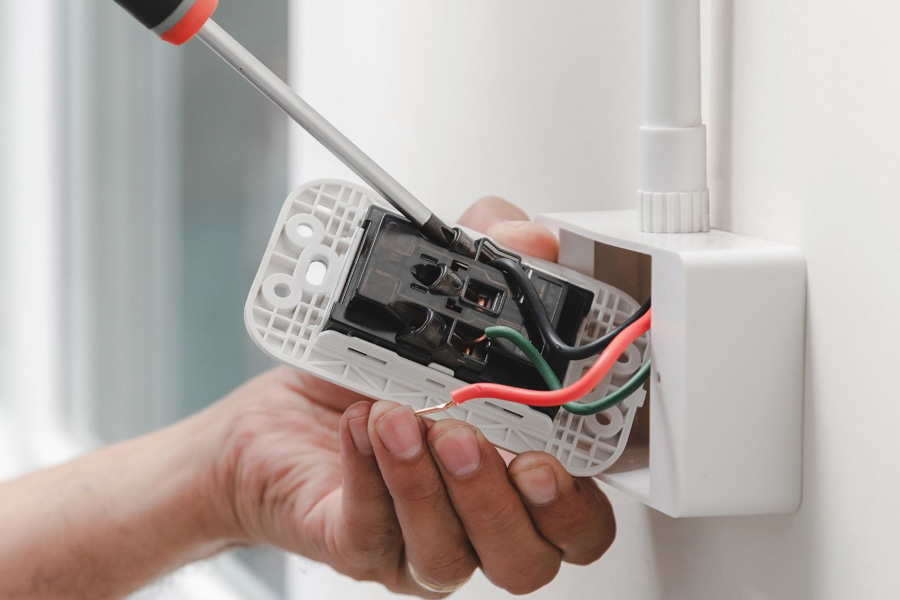
Transforming Spaces: The Future of Smart Home Integration
Harnessing the Internet of Things (IoT) for Seamless Living
The Internet of Things (IoT) has revolutionized the way we interact with our homes, creating a seamless integration between our devices and environments. Smart home systems use IoT to connect appliances, lighting, heating, and security systems to the internet, allowing homeowners to control their living spaces with unparalleled convenience. By leveraging devices such as smart thermostats, security cameras, and voice-activated speakers, individuals can customize their home environments to meet their needs effortlessly. Not only does this elevate our quality of life, but it also enhances energy efficiency by enabling smart monitoring and management of resource consumption. Companies like martinelectricalsystems.com provide the expertise and solutions necessary to implement these technologies effectively. Through apps and remote control capabilities, users can manage their homes from anywhere, turning the ordinary into the extraordinary. The adoption of smart home technology not only simplifies tasks but also brings peace of mind as household management becomes powered by cutting-edge innovation.
Smart Lighting: Creating Ambiance with a Click
Smart lighting systems have emerged as a leading solution for transforming the ambiance of living spaces effortlessly. Homeowners can now select from a palette of colors and brightness levels, creating tailored lighting experiences that suit various moods and activities. Advanced smart bulbs integrate seamlessly with home automation systems, allowing for control from smartphones or voice-activated assistants. Whether creating a warm glow for a cozy movie night, energizing bright whites for a productive workspace, or a gentle dimming for bedtime, the flexibility afforded by smart lighting enriches our environments. Further enhancements can be achieved through the use of motion sensors, timers, and programmable scenes, effectively synchronizing lighting with daily routines and ensuring optimal energy usage. With the capability to integrate with other smart devices, smart lighting sets the stage for a responsive and personalized living experience that elevates the modern home.
Automated Energy Management: Efficiency Meets Convenience
In an era where energy consumption is closely monitored for sustainability, automated energy management systems stand out as a pivotal component of modern households. These systems utilize smart grid technologies and data analytics to optimize energy usage whilst significantly reducing costs. Homeowners can track their energy consumption through user-friendly interfaces and receive insights that allow them to make informed decisions about usage patterns. For instance, integrating smart sensors into heating and cooling systems can learn preferences and automatically adjust the thermostat, ensuring comfort while saving energy. Additionally, the ability to schedule energy-intensive tasks, such as running dishwashers or washing machines during off-peak hours, promotes further reductions in utility bills. Smart energy management is not just about convenience; it’s a commitment to responsible living and reducing one’s carbon footprint, making it an essential feature of contemporary electrical systems.
Powering Sustainability: Renewable Energy Solutions for Every Home
The Rise of Solar Energy: How to Integrate it into Your Lifestyle
Solar energy has become an indispensable component of sustainable living, offering a renewable resource that is both abundant and environmentally friendly. Integrating solar panels into home systems fosters independence from traditional energy sources and significantly reduces electricity bills. Homeowners can opt for rooftop installations or ground-mounted arrays, effectively harnessing sunlight to generate clean energy. Technological advancements have broadened the accessibility of solar solutions, making it easier than ever to convert sunlight into usable electricity. The installation process can be facilitated by professional services, ensuring that systems are optimized for specific roof orientations and geographical locations. In addition to environmental benefits, utilizing solar energy boosts property value and provides a buffer against rising energy prices. When coupled with battery storage solutions, homeowners can maximize their solar investment by storing excess energy for use during non-sunny periods, effectively ensuring energy security throughout the year.
Energy Storage Solutions: Keeping Power in Your Hands
Energy storage systems represent the next frontier in managing electricity consumption. With the growing prevalence of renewable energy sources such as solar and wind, integrating battery storage solutions enables homeowners to harness and store energy during peak production times. These systems not only enhance energy independence but also serve as vital back-up sources during grid outages, ensuring that homes remain powered when they need it most. Lithium-ion batteries have gained popularity due to their high efficiency, durability, and gradual reduction in costs over time. Coupled with solar panels, energy storage technologies allow for a self-sufficient energy model where homeowners can draw upon stored power during night hours or periods of high demand. As innovation continues to progress within this field, future energy storage solutions are likely to become even more efficient and accessible, making sustainable living a practical reality for all.
Green Building Standards: What You Need to Know for Modern Electrical Systems
As sustainability continues to take center stage, understanding green building standards becomes essential for homeowners looking to adopt modern electrical systems. These standards, developed through rigorous evaluations, encourage the use of environmentally friendly materials and practices that promote energy efficiency, sustainability, and occupant health. Organizations such as the U.S. Green Building Council (USGBC) have established frameworks like LEED (Leadership in Energy and Environmental Design), which serves as a benchmark for design, construction, and operation of high-performance buildings. Lessons from green building standards can be applied to electrical systems by incorporating energy-efficient appliances, lighting, and renewable energy sources, all of which contribute to a home’s overall sustainability rating. Homeowners should take into account factors such as energy performance, indoor environmental quality, and sustainable site development when integrating electrical systems to adhere to these evolving standards. Engaging with green practices not only benefits the environment but also enhances the comfort and functionality of modern living spaces.
Safety First: Modern Electrical Systems that Ensure Your Well-being
Advanced Circuit Protection: Preventing Fires and Failures
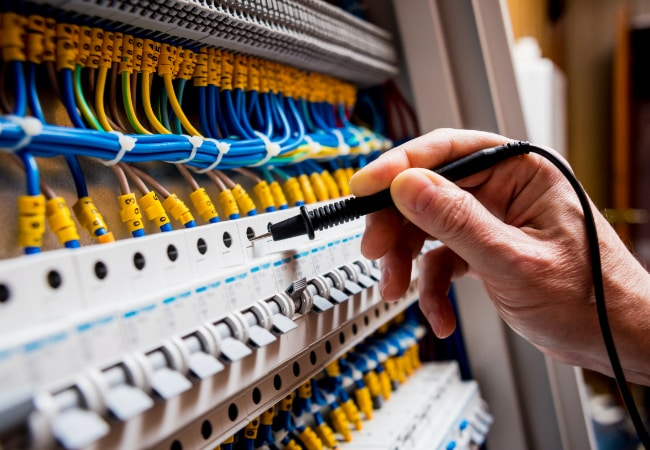
The implementation of advanced circuit protection technologies is paramount for safeguarding homes from malfunctions that can lead to devastating outcomes such as electrical fires. Today’s electrical systems utilize circuit breakers and surge protectors equipped with cutting-edge technology to detect anomalies, automatically shutting down power in case of overloads or shorts. These systems further include arc fault circuit interrupters (AFCIs), which monitor electrical arcs that may occur during frayed wiring or faulty connections. By immediately cutting off power when an unsafe condition is detected, AFCIs can significantly reduce the likelihood of fires. Regular inspections and upgrades of circuit protection systems ensure that homes are equipped with the best safety standards, providing peace of mind for families as they enjoy the comfort of their living spaces. Preventative measures, such as hiring licensed electricians for routine assessments, are crucial to maintaining the integrity of household electrical systems and minimizing risks.
Ground Fault Circuit Interrupters (GFCI): Your Home’s Unsung Hero
Ground Fault Circuit Interrupters (GFCIs) are indispensable devices that offer a vital line of defense against electrical shock risks, especially in areas susceptible to moisture such as bathrooms, kitchens, and outdoors. GFCIs continuously monitor the flow of electrical current and automatically trip when they detect an imbalance, indicating that electricity is leaking to the ground. This functionality is crucial for preventing serious injuries or fatalities due to electrocuting incidents. Homeowners should prioritize the installation of GFCIs in all relevant locations, ensuring that outlets are compliant with national electrical safety codes. Regular testing and maintenance of these devices are equally important, encouraging homeowners to understand the function of the test and reset buttons that GFCIs are equipped with. Recognizing the role of GFCIs in home safety is critical; while they may not be as prominent as other electrical components, their presence can be life-saving and should never be overlooked.
Electrical Upgrades: When and Why to Enhance Safety Standards
Electrical upgrades are essential for maintaining a safe and efficient home environment. As technology evolves, older wiring and systems can fall short in meeting modern demands, leading to potential safety hazards. Homeowners should consider upgrading their electrical systems whenever they undertake major renovations, purchase an older home, or experience persistent electrical issues. Common signals that it’s time for an upgrade may include frequent tripped circuit breakers, flickering lights, or the presence of outdated knob-and-tube wiring. Engaging a qualified electrician to conduct a thorough assessment can uncover hidden issues, ensuring that families are safeguarded against electrical hazards. Upgrading to modern wiring standards, enhanced circuit protection, and energy-efficient devices not only complements home safety but can significantly improve overall energy efficiency. Regularly investing in electrical system updates is a proactive approach to preserving home value and ensuring the well-being of all inhabitants.
The Electrical Toolbox: Innovative Gadgets and Upgrades
Smart Outlets: Revolutionizing Power Access
Smart outlets are transforming how we access and utilize power within our homes, providing enhanced control, automation, and energy savings. Unlike traditional outlets, smart outlets can be controlled remotely through mobile apps, enabling homeowners to turn appliances on or off, set timers, and monitor energy usage effortlessly. This functionality is particularly valuable for devices that may be left on unintentionally, such as lamps or chargers, as it allows users to manage energy consumption proactively. Many smart outlets are also equipped with energy monitoring features, providing insights into usage patterns that can inform decisions about power consumption. Compatibility with voice assistants enables a hands-free approach to managing power, making it easier to adapt the household to the user’s needs. With their versatility and convenience, smart outlets signal a significant advancement in home automation, making everyday life more responsive and efficient.
Wireless Technology: The New Frontier in Electrical Systems
The advent of wireless technology has fundamentally shifted the landscape of electrical systems, enabling frictionless connectivity and communication among devices. Wireless technologies such as Zigbee, Z-Wave, and Wi-Fi are central to the functionality of modern smart home devices, facilitating their secure and efficient operation without the constraints of physical wiring. These systems enhance flexibility in device placement and installation, reducing the need for invasive renovations or significant infrastructural changes. Furthermore, deployment of wireless technology simplifies the process of upgrading existing systems, as homeowners can incorporate new devices without extensive rewiring. The potential for integration across various platforms further enhances the convenience of managing interconnected devices, allowing for synchronized operations that elevate user experience. As wireless technology continues to evolve, its application within electrical systems will expand, creating even more responsive and adaptable home environments.
Smart Home Hubs: Centralizing Control for Maximum Efficiency
Smart home hubs serve as the command center of modern electrical systems, allowing for the centralized control and management of various connected devices. These hubs enable seamless communication across multiple protocols, making it possible to unify different devices under one streamlined interface. By consolidating control functions into a single platform, users gain the ability to create personalized scenarios and automations that span across numerous gadgets. For instance, a home automation system can be set to trigger lights, adjust thermostats, and lock doors simultaneously as one leaves for work, all integrated through the smart home hub. This level of coordination optimizes energy usage and enhances security. Many hubs also incorporate advanced AI and machine learning algorithms, adapting to user preferences and patterns over time, further improving efficiency. As smart home technology continues to expand, the role of the smart home hub will become increasingly vital, making centralized control indispensable for maximizing the potential of modern electrical systems.