What Is a BDA and How Does It Work?
During emergencies, every second matters. Firefighters, police officers, and other emergency responders need strong and clear communication while working inside buildings. However, many structures have weak radio signals because thick concrete walls, metal materials, elevators, underground parking areas, and steel windows can block communication. This is where a BDA Fire Alarm System USA becomes very important. A Bi-Directional Amplifier (BDA) system helps improve radio signal coverage inside buildings so first responders can stay connected during critical situations.
A BDA system is designed to remove dead zones and improve communication from one area of the building to another. Whether it is a hospital, school, apartment building, government office, or shopping center, reliable radio communication can help save lives and reduce damage during emergencies. Building owners also benefit because these systems help buildings meet safety requirements and provide peace of mind for everyone inside the property.
The Importance and Benefits of a BDA System
Better Safety for First Responders and Occupants
Safety is the main reason many buildings install a BDA system. During a fire, natural disaster, or security emergency, first responders must communicate quickly and clearly with their teams. Weak radio signals can delay rescue operations and create dangerous situations. A BDA system strengthens radio signals throughout the building so emergency teams can work more effectively.
This system is also known as an Emergency Responder Communication Enhancement System (ERCES). It supports life-safety communication and helps emergency workers stay informed while responding to a crisis. Reliable communication allows teams to coordinate rescue efforts, share updates, and respond faster when conditions change.
Peace of Mind for Building Owners
Building owners want to know that their property is prepared for emergencies. Installing a BDA system gives owners, tenants, employees, and visitors confidence that communication systems will continue working when they are needed most.
In many situations, strong communication can help prevent injuries and reduce property damage. Emergency responders can quickly locate problem areas and provide instructions without worrying about signal loss. This added level of protection makes BDA systems an important investment for modern buildings.
Clear Communication in Every Area of the Building
Large buildings often have areas where radio signals become weak or disappear completely. These dead zones can be found in stairwells, basements, parking garages, elevators, and thick concrete rooms. A BDA system improves communication in these difficult areas by boosting radio frequency signals throughout the building.
Clear communication allows first responders to stay connected from the top floor down to the ground level. This improves teamwork and helps emergency crews complete their tasks more safely and efficiently.
How BDA Systems Work and Why Buildings Need Them
Main Parts of a BDA System
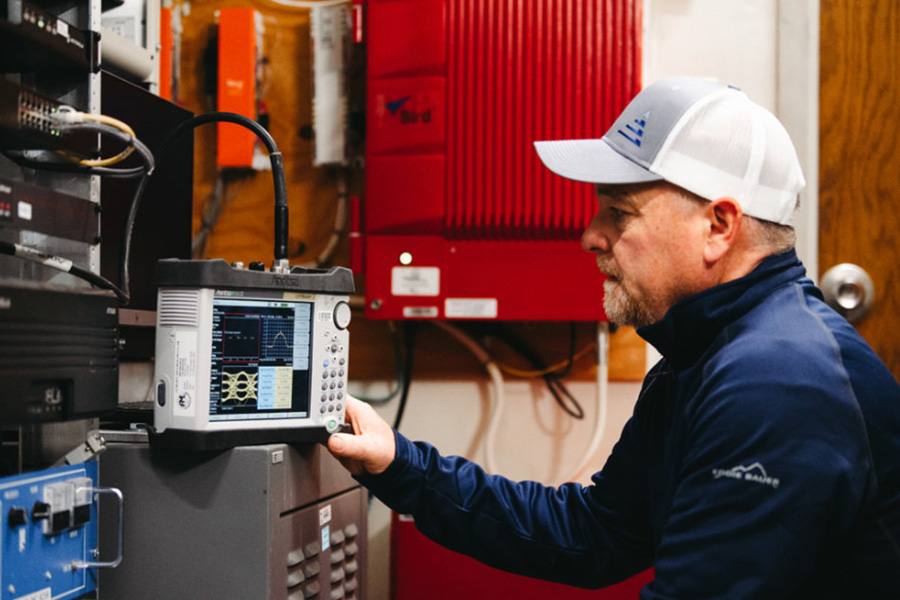
A BDA system uses several components that work together to improve radio communication inside a building. The Bi-Directional Amplifier itself is the main device that strengthens signals between the radio network and emergency responders. Most systems use two amplifiers that allow signals to travel back and forth at the same time.
The donor antenna is usually placed on the roof of the building. Its job is to receive signals from nearby radio towers and send them to the amplifier system. Another important part is the Distributed Antenna System (DAS), which spreads stronger signals throughout the building using connected antennas and coax cables.
The system also includes backup power supplies known as Uninterruptible Power Supplies (UPS). These batteries keep the system running during power outages. Alarm communicators monitor the system and alert maintenance teams or responders if there is a problem. Wiring, splitters, and connectors help link all the parts together so the system works properly.
Buildings That Commonly Need BDA Systems
Many commercial buildings need a BDA system because large structures can interfere with radio signals. Hospitals, schools, hotels, apartment buildings, airports, stadiums, and office towers are common examples. Some buildings may even require multiple amplifiers to provide enough signal coverage in every area.
Local safety authorities, often called the Authority Having Jurisdiction (AHJ), usually conduct signal testing to determine if a building requires a BDA system. If radio coverage does not meet required levels, the building owner may need to install a system to comply with safety regulations.
Meeting Safety Codes and Requirements
Modern building safety codes require reliable emergency radio communication inside many newly constructed buildings. Emergency Responder Radio Coverage (ERRC) requirements are designed to ensure that first responders can communicate clearly during emergencies.
Building owners should always work closely with their local AHJ to understand the rules and licenses required for compliance. Keeping a BDA system up to code helps improve safety for emergency responders and everyone inside the building.
Conclusion
Emergency situations are already difficult and dangerous, so poor communication should never become another problem. A BDA system helps strengthen radio signals throughout buildings, making it easier for first responders to communicate during critical events. From improving safety to meeting building code requirements, these systems play an important role in protecting lives and property.
Installing a reliable BDA system is not only about following regulations. It is also about creating a safer environment for occupants, visitors, and emergency teams. With strong communication available in every part of a building, first responders can do their jobs more effectively and respond faster when every second counts.